
Short answer
A catalogue tells you what a factory can make. It does not tell you what is in stock this month, how the fabric feels in your hand, or what your price becomes once you change the colour. Treat it as a shortlist: choose a small number of styles, ask for the specification and a swatch, confirm the quantity band you can reach, and test one style before committing to a range.
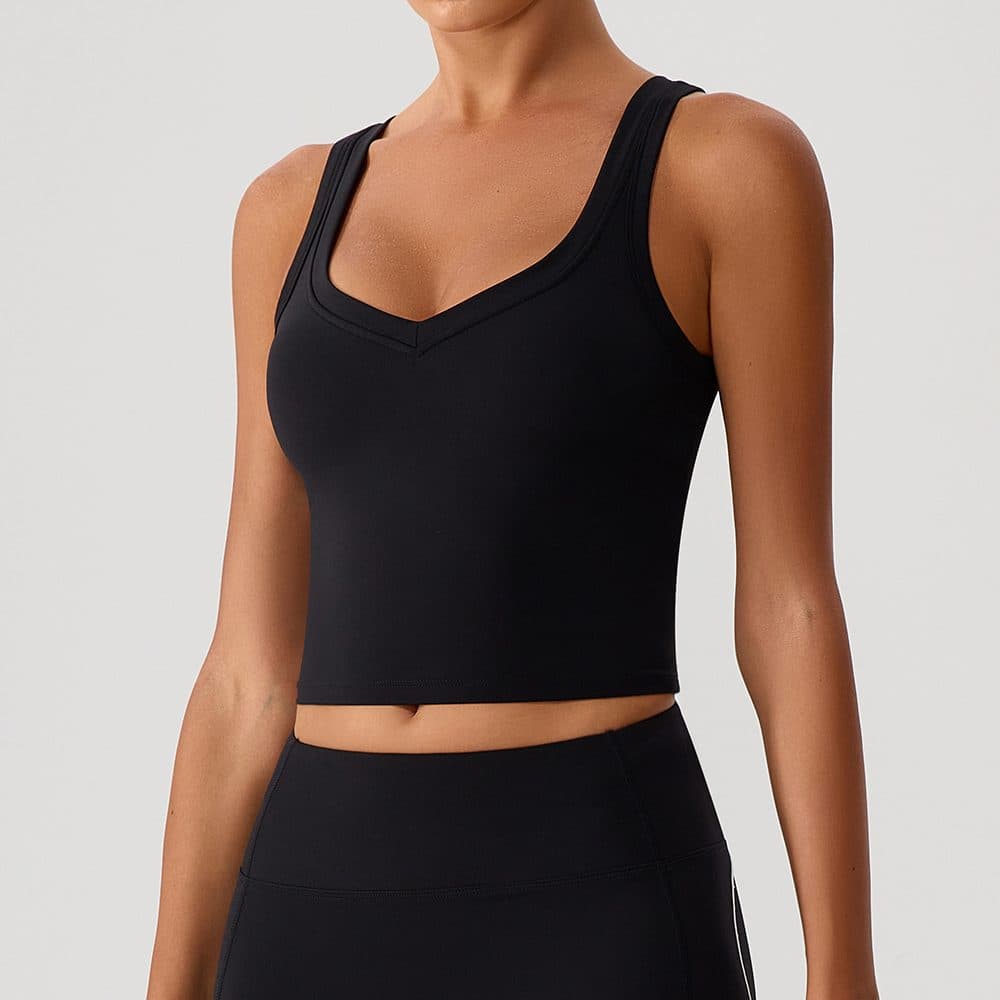
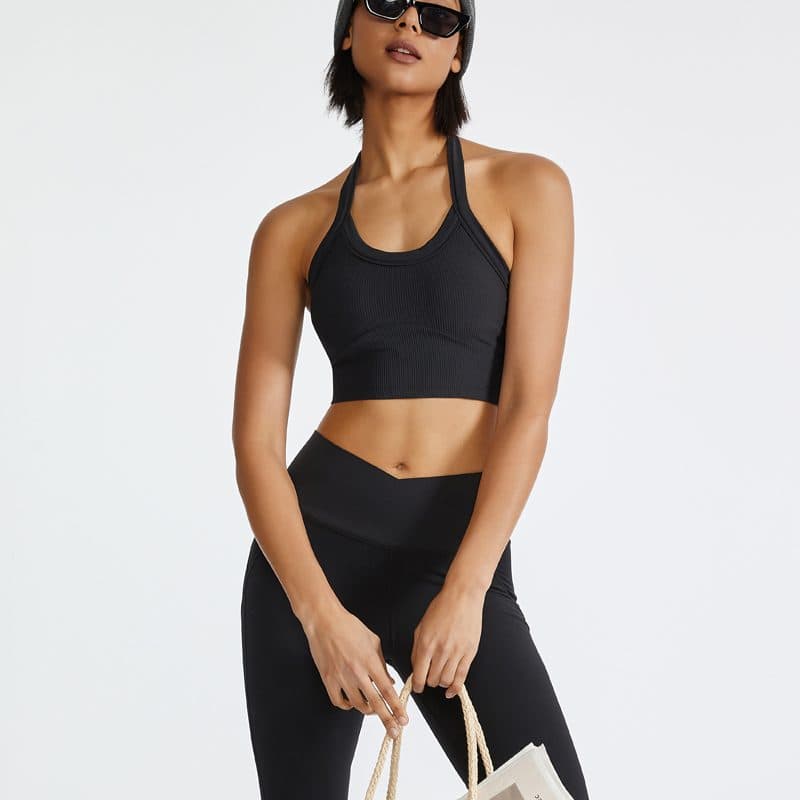
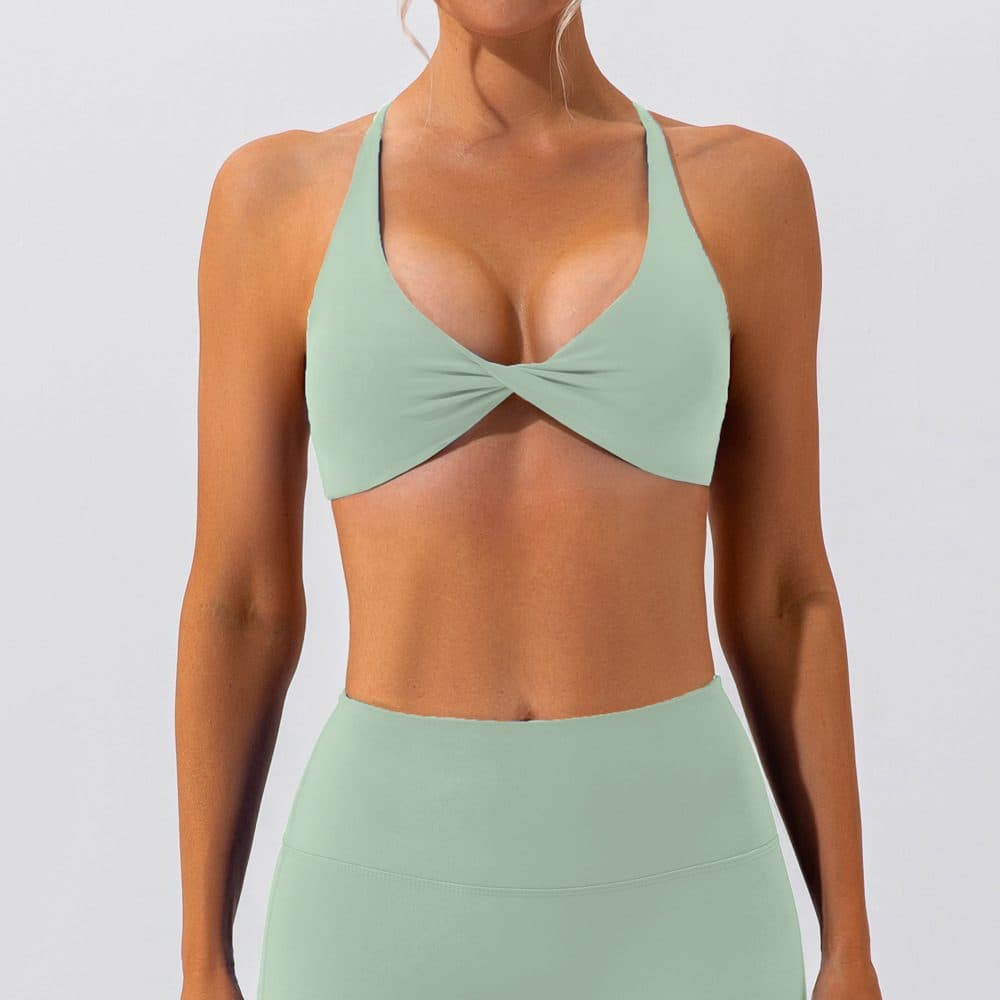
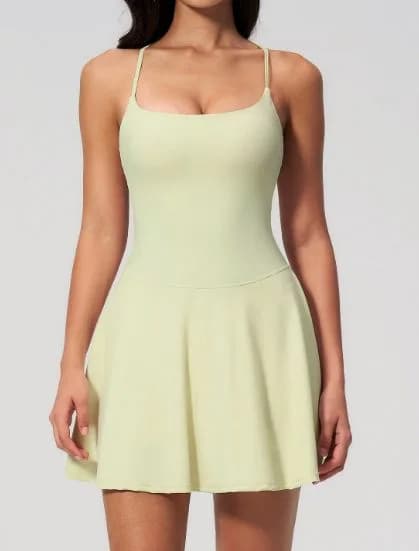
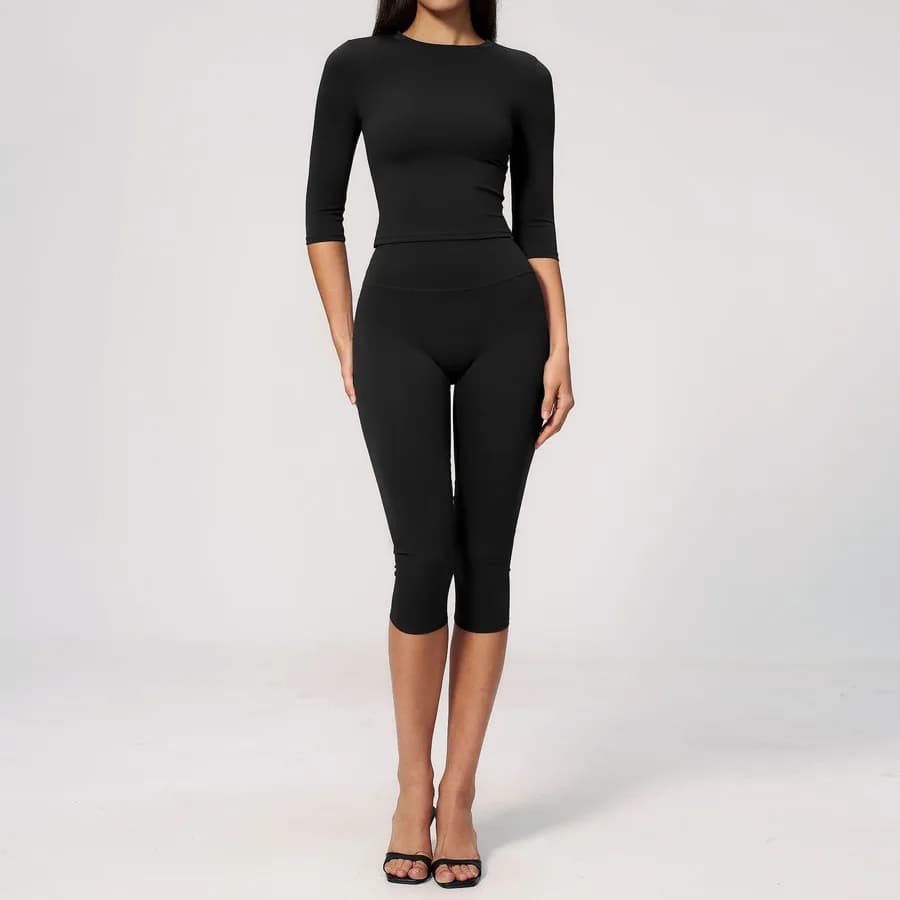
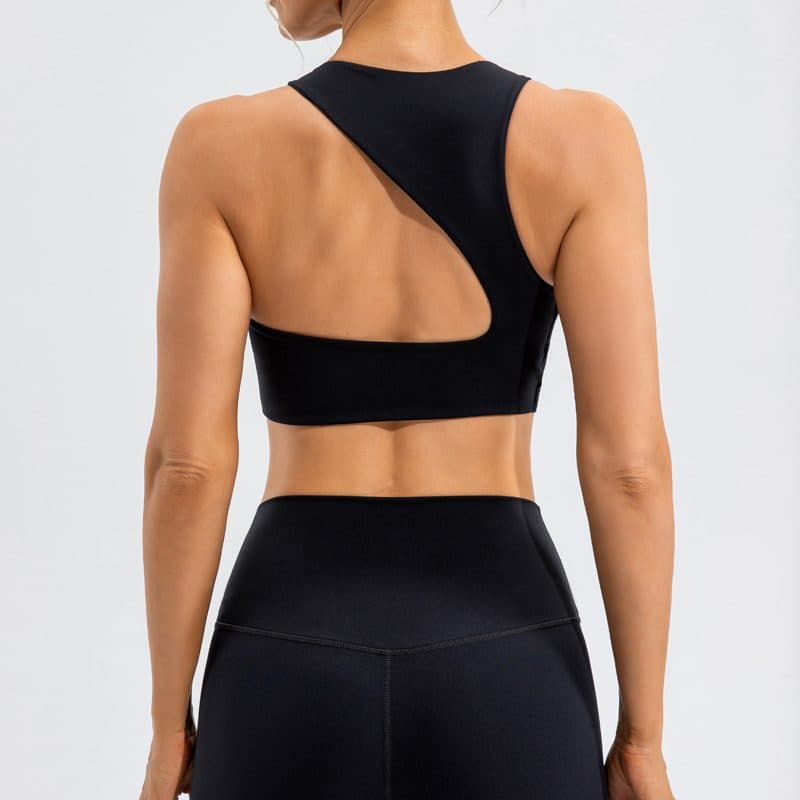
A catalogue is a shortlist, not a stock guarantee
The styles in a catalogue exist as patterns, which is not the same as existing as inventory. A factory can show a style it makes seasonally for other clients and still be unable to ship it next week, because stock depth follows what is running on the lines.
So the first useful question is not "which of these do you have" but "which of these can ship in the next weeks, and in which sizes". That question separates a stock list from a capability list.
The printed price belongs to one quantity band
Catalogue pricing is tiered. The number printed next to a style is its price at a specific quantity, and it falls as quantity rises because setup and cutting preparation spread across more pieces.
Two mistakes follow: budgeting against the printed number and being surprised by a lower quote at volume, or budgeting against the wholesale number and being surprised a trial order costs more per piece. Price is a function of quantity, not a property of the garment.
Ask for the full band ladder, then compare quotes at the quantity you will actually order.
What a product photo cannot show
Photography flatters fabric: it hides weight, drape and recovery, and says nothing about construction.
Ask for three things: a fabric specification with composition and weight; a close-up of seams and waistband, where cheap construction shows; and a physical swatch, because screen colour never matches daylight. A piece like [these flared pants](/products/kw231-flared-pants) is enough to judge the whole style.
If a supplier cannot produce a specification, the fabric was bought on price rather than specified on purpose.
Catalogue colours are not your colours
The colours shown are normally already running. Choosing one means no dye lot has to be opened, which is why it is faster and cheaper than the colour you actually want.
Specifying your own shade is different work: the mill opens a dye lot, and dye lots carry a minimum. On a short run that fixed cost is divided across few garments, which is where the price jump comes from. It is not a markup; it is how dyeing works.
Test demand in a catalogue colour, then move the winning style to your own shade once volume justifies it. Discovery in [the product range](/products) is cheap; commitment is what costs. A set such as [this bra and shorts combination](/products/yw418-plus-kw223-shorts-plus-tank-top-set) is the usual first test: it sells as one decision, not two.
How to shortlist without wasting sample work
Pick a narrow set: the styles you could genuinely sell, one colourway each, in the sizes your market buys. Then order a development piece of the style you are least sure about, not the one you like most. If you are unsure where to start, a [cross-back sports bra](/products/yw418-yoga-sports-bra) and a [high-rise legging](/products/kw251-yoga-pants) cover most of what a first range needs.
A development piece starts at $150 per piece, a two-piece set at $300, and is planned at 7 to 15 days. Bulk production follows at 20 to 30 days after approvals.
If you know the style will sell, start from ready stock: 20 pieces in total per order, mixed styles and colours allowed.
What to ask before you commit
Which styles can actually ship now, and in which sizes. The fabric specification and a swatch. Your price at the quantity you can afford, and at the next band up. Whether the colour is stock or made for you. How long from payment to dispatch.
Good suppliers answer these in one message. Vague answers on specification and shipping date tell you the most.
The full process is on [how it works](/how-it-works); quotes start from the [request form](/rfq).
Buyer questions
Can you send me a catalogue?
Yes, with tier pricing per style, because the same style costs different amounts at different quantity bands.
Does the catalogue show everything you can make?
No. It shows what is currently offered. Bring a reference or a tech pack and most factories can develop outside it: a development piece starts at $150 per piece, full custom production from 200 pieces per style in a single colour.
Why is the catalogue colour cheaper than the colour I want?
Catalogue colours are already in production, so no dye lot has to be opened. A new shade means a dye lot with its own minimum, spread across few garments.
Can I mix styles and sizes in one order?
Yes, on ready stock: 20 pieces in total per order, with styles and colours mixed to reach the total. That is a total order minimum, not a minimum per style.
Can I get one piece to check quality first?
Yes, through a development piece rather than stock: one custom piece from $150, made to your pattern and branding, planned at 7 to 15 days.
Ready to price your own order?
Send your styles, quantities and target market — we will confirm availability, MOQ and shipping before you commit.